Author name: admin

Media Fact-Checking: The Savior Amidst Election Hoaxes

Could You Trust Your News Feed? Indonesia’s Presidential Elections Embrace Fact-Checking, but at What Cost?
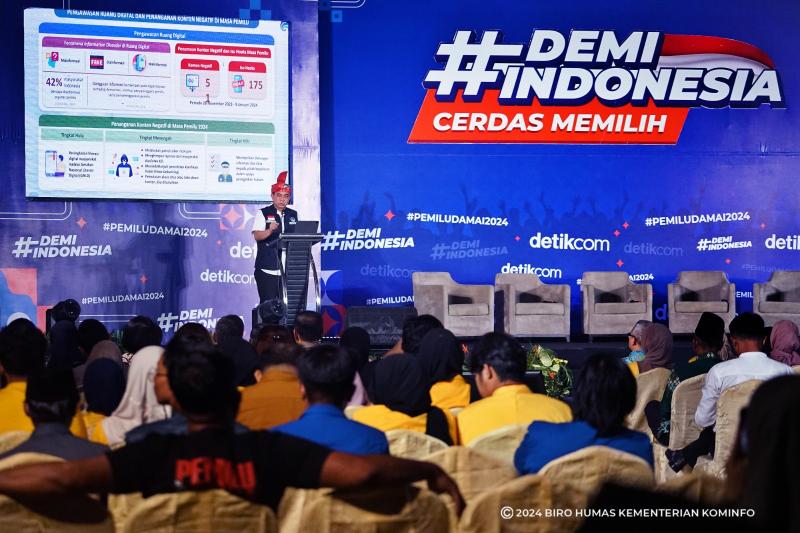
2024 is the year of democracy for Indonesia. The democratic election required actual and factual information. However, the hoax is a crucial threat to the Indonesian election. Reflecting on the previous election in 2019, hoaxes could cause unrest and confusion in the community, affecting the election results. In that year, the Ministry of Communications and Information of Indonesia (Kominfo) stated that the hoaxes circulating reached 3356 from August 2028 to 30 September 2019. It suggests that the hoax threat on the election is serious for the democratic election in Indonesia.

Regarding the face of the 2024 election, the Kominfo counted 160 election hoaxes that spread through 2623 on social media from 17 July 2023 to 6 January 2024. About 1236 pieces of content have been taken down; the rest are still in the process. So, in terms of addressing that issue, the Kominfo held press release no. 11/HM/KOMINFO/01/2024 about the Anti-Hoax Task Force by the central of the Indonesian Journalists Association (Persatuan Wartawan Indonesia – PWI), on Tuesday, 9 January 2024. Budi Arie Setiadi, as the Kominfo, encourages the increase of digital literacy through the national digital literacy movement in the upstream. Following this, emphasize the validation of the facts and information process and hoax content access cut-off. Lastly, the downstream level is support for law enforcement. This mechanism of collaboration is expected to increase the effectiveness in identifying and handling election hoaxes.

This initiative is likely to mainstream fact-checking in the media. This step can be one of the solutions to overcome the threat of election hoaxes by an effort by the media to check the truth of information circulating in the community. This strategy takes the role of helping society to differentiate the facts and hoax information about the election. This is vital to ensure that society is able to make the right decision on election day. Some media concerned with fact-checking are Kompas, Tempo, Katadata, and Narasi. Citizens can access those media to check for information.

Besides that, the decrease in the number of election hoaxes is likely due to several factors, including improving society’s awareness of election hoaxes and increased digital literacy. To some extent, I underscore the role of women, especially mothers, to decrease the election hoaxes in family groups to minimize the spread of hoaxes from the family level. Echoing the media, fact-checking for women at the grassroots level should be highlighted by the media, particularly from the feminist media. This can be influenced by encouraging women to be exposed and educated about media literacy skills, spreading the information about the importance of media fact-checking in their families or communities, and supporting the effort to develop independent and transparent media fact-checking. Hence, empowering women through community initiative and media literacy are vital to support media fact-checking at the grassroots level, ensuring a safer election.

Moreover, strengthening the role of media in fact-checking during election periods also requires support from the authorities. The capability and quality of fact-checking should also be improved. The media must implement the verification standard and employ appropriate fact-checking methods. Next, increasing individual awareness of hoaxes also plays a significant role in eradicating hoaxes. People need to improve their digital literacy and be critical of information circulating on social media. Hence, those steps will likely be more effective in overcoming the threat of election hoxes and safeguarding electoral democracy in Indonesia.

Nonetheless, this scheme of strategy can also be utilized as the government’s effort to control the information that is being spread and limit freedom of speech. Media fact-checking might be used for people who spread information authorities consider hoaxes or propaganda or discredit critics’ arguments.  

The potential utilization of media fact-checking needs to be watched out for. The public needs to be critical of the information conveyed by the government and media. The public must also support efforts to ensure that media fact-checking is conducted independently and transparently for peace and a prosperous election.

Source of image : https://www.kominfo.go.id/content/detail/54118/siaran-pers-no-25hmkominfo012024-tentang-tangkal-hoaks-soal-pemilu-2024-kominfo-gencarkan-tiga-inisiatif/0/siaran_pers

Media Fact-Checking: The Savior Amidst Election Hoaxes Read More »
Training on interreligious and intercultural dialogue: A strategic effort for developing peace and prosperous society in ASEAN

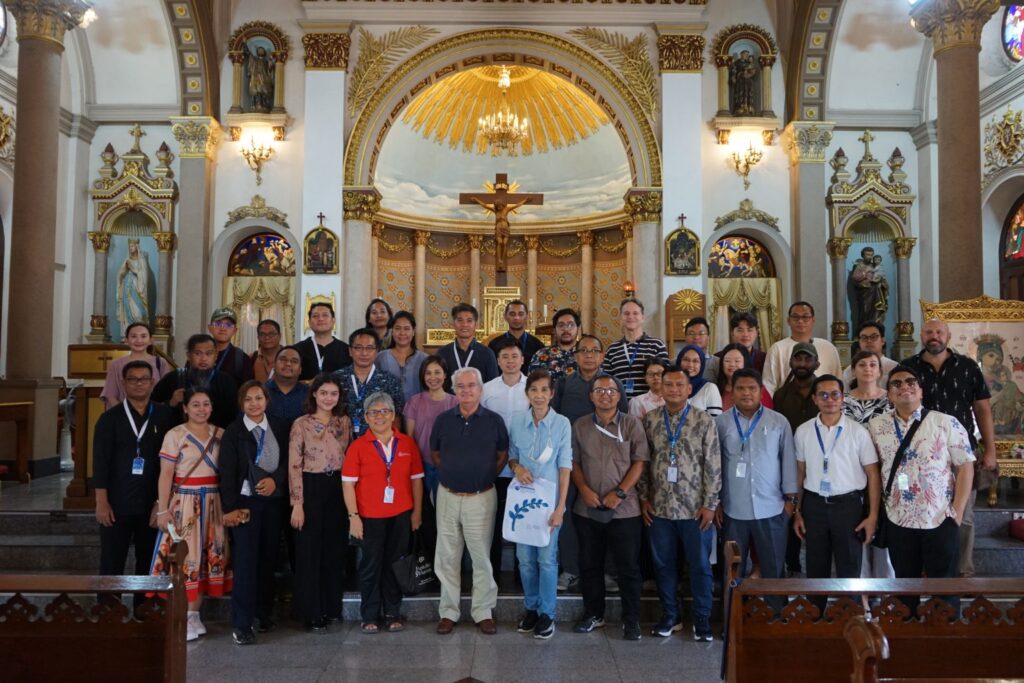
Southeast Asia region is notable for its vast religious and cultural diversity. This factor can create peace and a prosperous society but is likely a source of conflict without proper management. To maintain this situation, the ASEAN Institute for Peace and Reconciliation (ASEAN-IPR) and the International Dialogue Centre – KAICIID trained interreligious and intercultural Dialogue for ASEAN Officials on 27 November – 1 December 2023 in Bangkok, Thailand.

26 official participants from the ASEAN member countries participated in this training session. The participants were from various backgrounds, including governmental members or officials from the National Security Council, etc.

The two main objectives of this training are increasing the awareness and knowledge of interreligious dialogue (IRD) and intercultural dialogue (ICD) to promote understanding among communities from diverse religious and cultural backgrounds and facilitate stakeholders with the necessary religious and cultural comprehension to facilitate them in creating holistic policies to address political and social issues in ASEAN.

During the five-day training, the participants were provided with several materials, including:

  1. History, theory, and dialogue methodology.
  2. Introducing dialogue skills and various types of dialogue.
  3. Conflict analysis framework, conflict transformation, and strategic peace development framework.
  4. Best practices in engaging multi-faith/cultural leaders and communities.

On occasion, the participants had an opportunity to attend the Kudi Khoa-Kudi Chin community of Klongsan, Bangkok, to observe the disparity between religion and culture can coexist peacefully.

This training obtained positive feedback from the participants. They suggested that the training offers a vast religious and cultural perspective, as well as relevant skills to address the complexity of race and religious tendencies in the ASEAN region.

This training is a crucial effort in promoting interreligious and intercultural dialogue. Those types of dialogue schemes are a vital key to developing peace and a prosperous society in the ASEAN region. However, this can only contribute to preventing or solving the conflict caused by religion and culture in ASEAN. Dialogue is important to strengthen understanding and tolerance, but it is inadequate to address the core of conflicts like intolerance and discrimination. ASEAN member countries must initiate more concrete and robust actions to advance the IRD and ICD. Such steps may include: First, increase the participation of state and religious leaders in ASEAN member countries. Second, improve the collaboration with the interfaith and intercultural dialogue institutions. Third, expand the scope of training to gain more participation from ASEAN member states, especially for women. Fourth, incorporate education on IRD and ICD into the school curriculum. By strengthening this way, ASEAN possibly enhances its efforts to develop peace and a prosperous society for all.

Source of image : https://asean-aipr.org/joint-asean-ipr-kaiciid-news-releaseasean-ipr-kaiciid-training-on-interreligious-intercultural-dialogue-for-asean-officials/

Training on interreligious and intercultural dialogue: A strategic effort for developing peace and prosperous society in ASEAN Read More »

Resource Hub – ASEAN and Indonesia

Resource Hub

ASEAN and Indonesia

Primary resource about WPS in ASEAN and Indonesia

ASEAN

  1. ASEAN Regional Plan of Action on WPS
  2. ASEAN Regional Study on WPS
  3. ASEAN Gender Outlook
  4. Annual Report 2022: Empowering Women for Sustainable Peace
  5. Annual Report 2021: Empowering Women for Sustainable Peace
  6. The Making of the ASEAN Regional Plan of Action on WPS: Insight and Lessons Learned
  7. Policy Brief – GNWP – Integrating WPS, YPS and Humanitarian Action Across Southeast Asia
  8. The Making of the ASEAN RPA on WPS: Insights and Lessons Learned
  9. Southeast Asia Women Peacebuilders Policy Brief Series The Future is Now: Immediate Needs in the Region
  10. Policy Brief – Southeast Asia Women Peacebuilders Policy Brief Series Empowering Women in WPS Agenda: Challenges, Recommendations and the Way Forward
  11. Building Peace, Saving the World: A Primer on Building Peace
  12. Report – CSO’s Joint Statement of ASEAN Civil Societies
  13. Southeast Asia Women Peacebuilders Policy Brief Series Strengthening the WPS Agenda: Women and Minority Groups
  14. We are Still Not Enough: Getting More’s Voice into Peacebuilding
  15. Leadership and Conflict Resolution Module for Female Parliamentary Candidates
  16. Women Working for Normalization
  17. Report – Voices from the Field: Community Women’s Perspectives on the GPH-NDF Armed Conflict
  18. Women Speak: Perspectives on Normalization
  19. Report – WPS in the Autonomous Region in Muslim Mindanao
  20. Operationalising Women’s “Meaningful Participatio” in the Bangsamoro: Political Participation, Security and Transitional Justice
  21. WE Act 1325: Six Years of Implementing the Philippine National Action Plan
  22. Implementing the Philippine National Action Plan on UN Security Council Resolutions 1325 and 1820: A Civil Society Monitoring Report March 2010 – January 2013
  23. Women Peacekeepers in the Philippines
  24. Women, Peace, and Security and Human Rights in the Digital Age: Opportunities and Risks to Advance Women’s Meaningful Participation and Protect Their Rights
  25. Strengthen Voice of the Women from Garment Factory Worker
  26. Policy Brief – How to Tackle On-campus Radicalization and Improve Community Resilience
  27. Policy Brief – National Action Plan on Preventing and Countering Violent Extremism: Civil Society Deserves a Seat at Table
  28. National Action Plan on Preventing and Countering Violent Extremism (NAPPCVE): A Brief Report of the Malaysian Civil Society Organizations’ (CSOs) Recommendations
  29. Country Brief – WPS in Thailand
  30. Towards Full Implementation of WPS Agenda in Viet Nam
  31. Project Brief: Empowering Women for Sustainable Peace: Preventing Violence and Promoting Social Cohesion in ASEAN
  32. Project Explainer: Empowering Women for Sustainable Peace: Preventing Violence and Promoting Social Cohesion in ASEAN
  33. Guidelines for Operationalising the ASEAN Regional Framework on Protection, Gender, and Inclusion in Disaster Management a Prioritisation and Planning Toolkit
  34. Gender Analysis of Violent Extremism and the Impact of COVID-19 on Peace and Security in ASEAN: Evidence-Based Research for Policy
  35. ASEAN Regional Framework on Protection, Gender, and Inclusion in Disaster Management 2021-2025
  36. The Marawi Siege: Women’s Reflections Then and Now
  37. Gender Considerations in Preventing Violent Extremism: Perspectives from Women’s Groups and Civil Society in the Philippines
  38. Bangsamoro Women’s Journey Towards Peace, Equality and Good Governance
  39. Report on the Mapping of Select Women Leaders and Civil Society Organizations in the Bangsamoro

INDONESIA

  1. RANP3AKS Indonesia 2014
  2. RANP3AKS Indonesia 2020
  3. RADP3AKS – Central Java 2023
  4. RADP3AKS – East Java 2022
  5. Indonesian Peaceful Village Action
  6. National Digital Consultation to Review RAN P3AKS Year 2014-2019 (Summaries, Conclusion, and Recommendations)
  7. Agenda Baru Perempuan, Perdamaian, dan Keamanan
  8. Perempuan dan Perdamaian: Adopsi Resolusi 1325 di Indonesia
  9. Hasil Konsultasi Nasional CSO Indonesia untuk ASEAN Plan of Action on WPS
  10. Policy Brief – Strengthening Youth Meaningful Participation for Peace and Security
  11. Policy Brief – Memperkuat Partisipasi Bermakna untuk Perdamaian dan Keamanan
  12. Report – Universal Periodic Review of Indonesia Situation of Women’s Rights in Indonesia
  13. Report – AMAN – Multi Faces of Peace
  14. Report – CVE NA Thematic Working Group Report 2022
  15. Report – AMAN – She Leads the Change
  16. Policy – Pengarus Utamaan Gender dalam RAPERDA tentang Tindak Pidana Terorisme dan Ekstremisme Kekerasan yang Mengarah pada Terorisme
  17. Book – Teroris, Korban, Pejuang Damai: Perempuan dalam Pusaran Ekstremisme Kekerasan di Indonesia
  18. Guidebook on Reflective Structured Dialogue: Development Dialogue Skill Across Divides
  19. Report – AMAN – Summary the Results of Indonesian Civil Society National Consultations
  20. Book – AMAN – Perempuan Mengakarkan Perdamaian
  21. Book – AMAN – Seri Kajian Perempuan, Perdamaian dan Kemanan (Seri 04) Membaca Peran Perempuan dalam Ekstremisme Kekerasan: Perspectif UNSCR 1325 dan 2242 di Indonesia
  22. Report – AMAN – Laporan Final Konsultasi Digital Review RANP3AKS
  23. Book – AMAN – Ekstrimisme, Daur Kekerasan dan Kompleksitas Penanganannya: Temuan di Balik Tragedi Lembantongoa Sigi
  24. Report – Build Pesantren (Islamic Boarding School) – Based Educational Institutions to Handle Cases of Gender-based Violence
  25. Country Brief – WPS in Indonesia
  26. Review and Scoping Study of the Peace Villages Initiative in Preventing Violent Extremism in Indonesia

Resource Hub – ASEAN and Indonesia Read More »

Resource Hub – United Nations Doc and Article about WPS

Prominent Resources

  1. WPS Index 2023/2024
  2. Gender and Security Toolkit
  3. Security Sector Governance, Security Sector Reform and Gender
  4. Policing and Gender
  5. Defence and Gender
  6. Justice and Gender
  7. Places of Deprivation of Liberty and Gender
  8. Border Management and Gender
  9. Parliamentary Oversight of the Security Sector and Gender
  10. Intelligence and Gender
  11. Integrating Gender in Project Design and Monitoring for Security and Justice Sector
  12. Policy Brief – A security Sector Governance Approach to WPS
  13. Policy Brief – Gender and Private Security Regulation
  14. Policy Brief – Gender, Preventing Violent Extremism and Countering Terrorism
  15. Policy Brief – The 2030 Agenda for Sustainable Development, the Security Sector and Gender Equality
  16. UN Women Sourcebook on WPS: Overview of Contents
  17. Framework – Tracking Implementation of Security Council Resolution 1325 (2000)
  18. Framework – WPS: Guidelines for National Implementation
  19. Women’s Participation in Peace Negotiations: Connections between Presence and Influence
  20. Gender-Sensitive Police Reform in Post-Conflict Societies
  21. Addressing Conflict-Related Sexual Violence an Analytical Inventory of Peacekeeping Practice
  22. Gender-Responsive Early Warning: Overview and How-to Guide
  23. What Women Want Planning and Financing for Gender-Responsive Peacebuilding
  24. Women Working for Recovery: The Impact of Female Employment on Family and Community Welfare after Conflict
  25. Gender and Post-Conflict Governance: Understanding the Challenge
  26. Increasing Women’s Participation and Engagement in Planning for Peace: The 2011 Gender Symposium and International Engagement Conference (IEC) for South Sudan
  27. Reparations, Development and Gender
  28. A Window of Opportunity: Making Transitional Justice Work for Women
  29. Report _ GNWP – Building and Sustaining Peace from the Ground Up: A Global Study of Civil Society and Local Women’s Perception of Sustaining Peace
  30. From Best Practice to Standard Practice: A Toolkit on the Localization of the UN Security Council Resolution 1325 on WPS
  31. Policy Brief – GNWP – The Pandemic Will Not Stop US: The Impact of COVID-19 on Women’s Peace Activism in Colombia, the Philippines, South Sudan and Ukraine
  32. Seeking Accountability and Preventing Reoccurrence: Addressing Conflict-Related Sexual Slavery through the WPS Agenda
  33. Implementing Locally Inspiring Globally: Localizing UNSCR 1325 in Colombia, Nepal, the Philippines, Sierra Leone, and Uganda
  34. Civil Society Recommendations to the Compact on WPS and Humanitarian Action
  35. Connecting WPS and YPS to Beijing+25 and the Generation Equality Forum
  36. Young Women & Girls Read, Lead & Build Peaceful Communities

Resource Hub – United Nations Doc and Article about WPS Read More »

Book Review – Perempuan Perdamaian: Adopsi Resolusi 1325 di Indonesia

Authors: Adriana Venny, Irine H. Gayatri, Dwi Rubyanti K.

This book elucidates the historical implementation of the UNSCR 1325 on WPS in Indonesia. Written by three swordswomen on WPS (Andriana Venny, Irine H. Gayatri, and Ruby Kholifah) from Indonesia, the book that was published in 2022 depicts the dynamic process of a gender-based violence coalition in absorbing inspiration from the region, strengthening support base, diplomacy surrounding the UNSCR 1325. Following this, the authors also illustrate the implementation of the National Action Plan (NAP) for the Elimination of Violence against Women in Indonesia. More interestingly, this is the first book that discusses the relationship impact of conflict on women, including sexual violence as a tactic of war and cases of violence against women in conflicts in Indonesia. Thus, the researcher who is interested in researching WPS can cite this book as the primary resource to analyze the empirical studies of the implementation of WPS in Indonesia.

In the first chapter, the writers describe a general view of conflict and its impact on women. The overview and the data on the world’s impact of conflict on women were well explained. This point also illustrates how women were used as a war tactic. So, it is not only suggested the double burden of women’s condition during the conflict period. Considering this situation, an urgent policy is required to save and encourage women’s involvement in the peace agenda. Chapter 2 discusses the relevance of the UNSCR 1325 for Indonesia. Conflict contexts in the sub-national include the dynamic process, and its obstacle to adopting the resolution on WPS was the main topic in this part. In addition, to obtain a more comprehensive understanding of the empirical studies in Indonesia, this chapter also explores the national contestation relating to the conflict issue and the meaning of preventive action in conflict. Further, the supra-states and neighborhoods’ role in encouraging the NAP in Indonesia is also a crucial issue in Chapter 2.

The next chapter focuses on the explanation of the substance of Rencana Aksi Nasional Perlindungan dan Pemberdayaan Perempuan dan Anak dalam Konflik Sosial (RAN P3AKS – the Indonesian NAP). The crucial discussion is the national regulation (Peraturan Presiden no. 18, 2004), which describes the categorization of violence against women and children, the main pillar of its implementation, and the coordination process. The fourth chapter describes the localization and decentralization of NAP in 15 provinces in Indonesia. To note the crucial conflict region, it also mentions the post-conflict approach for the vulnerable area. The interesting sub-chapter should be noted to engage civil society in the program and the preventive action of extremism integration in RAN P3AKS. To conclude, this chapter also provides the lesson learning and challenge of this national agenda.

The last chapter analyzes the relationship between UNSCR 1325 and other human rights norms such as CEDAW and Beijing Platform Form for Action (BPFA). Responsible to Protect (R2P) is one of the concerns of this chapter as well, which emphasizes the global commitment to end detrimental conflicts like genocide and Sexual gender-based violence. More importantly, a huge obstacle in governmental institutions is the “Cross-sectoral ego.” The egocentric institutions that do not have a single program each other become a vital challenge to implementing RAN P3AKS in Indonesia.

The strength of this book is that it provides historical documentation of the adoption of WPS in Indonesia, a comprehensive analysis with an explanation and use of a deep analysis of the topic, and political endorsement from authority and nongovernmental organizations, a vital analysis of gender violence and the urgency of WPS lens to response the extremism, and correlating the relevance of international norms of human rights. This book is also easy to understand, so the reader can enjoy reading it even though they are unfamiliar with the topic. However, since the actors wrote this book of the first era of RAN P3AKS implementation, some views will seem subjective in depicting the flourishing of this agenda. Albeit, as the reader, this book will strengthen and encourage the reader to understand the purpose of the WPS agenda. To some extent, it also illustrates that to achieve the equal contribution on peacebuilding between women and men need long journey and support from government, non-government organization and grassroot activist.

Link to download the book : https://amanindonesia.org/publikasi/perempuan-dan-perdamaian-adopsi-resolusi-1325-di-indonesia/

Book Review – Perempuan Perdamaian: Adopsi Resolusi 1325 di Indonesia Read More »

Journal Review – Siting Islamic feminism: The Indonesian Congress of Women Islamic Scholars and the challenge of challenging patriarchal authority

Author: David Kloss1, Nor Ismah2

1KITLV/Royal Netherlands Institute of Southeast Asian and Caribbean Studies, Leiden, Netherlands;

2Research Institute and Community Service and Development, Nahdlatul Ulama University, Yogyakarta, Indonesia

Link to this article: https://doi.org/10.1080/02757206.2023.2249495

In this article, Kloos and Isma (2023) elucidate the progressive step to advocate women’s authority in slam and advancing women’s rights and gender equality in the religious perspective through Kongres Ulama Perempuan Indonesia (KUPI). Kloos and Isma explore the Islamic feminism theory, religious women’s authority, intersectionality, knowledge exchange, and local and global social movements to emphasize how KUPI challenges male supremacy and patriarchy in Islam by collecting Muslim women scholars and women’s activists to discuss the authority role of women in religion to strengthen women and their rights. This conference was claimed to be the expansion of global Islam feminism, which resonates in the local context and has potential as an impactful social movement. Moreover, KUPI was seen as the medium of public communication, where secular and religious knowledge inform and shape each other, highlighting the struggle for authority in the Indonesian public sphere and emerging Islam feminism as the act of activism and thought.

Theoretically, the writers propose evidence that Islamic feminism is a social movement as the response to patriarchy’s domination in interpretation and religious practice and employ the tafsir method and ijtihad to articulate gender equality in the theology of Islam paradigm. Through the KUPI, Kloos and Ismah show that Islamic feminism has developed as a local social movement that seeks to implement the global feminism theology into practice, connecting with a particular social context and promoting the suitable pedagogic model. Thus, this article describes how Islam feminism was operated as the theory and practice that combine religious and secular thought, advocating the straightforward gender authority project that is equal to male authority in the context of organized religion. 

Furthermore, this article not only explains the conclusion of the KUPI but also its methodology and nuance of the knowledge in the process of the formation of gender-sensitive religious fatwas and opinions. Interestingly, this article also spotlighted the influence of the Islamic conservative camp in the analysis process of how Islam feminism challenges public alteration. With an ethnography approach, this research employs interdisciplinary studies such as religion, gender, and sociology to illustrate the comprehensive Islamic feminism in Indonesia.

The authors also provide convincing evidence in their argument. For instance, they cited the Indonesian government’s endorsement (Ministry of Religious Affairs – Lukman Hakim Syaifuddin) for KUPI in the closing ceremony event. Documenting the nuance and support from the audience during the reading process of “Kupi’s religious decision and view.” The writers also mentioned the endorsement from every level of stakeholder and society, such as the local representative assembly and the sultan’s wife of the Yogyakarta kingdom. 

In conclusion, this article seeds the dynamic in implementing the global context of Islam feminism to the local society movement through the National Female Muslim Conference scheme. Consequently, for further research, the scholar or student can explore topics such as the analysis of Muslim women’s role in society, the influence of KUPI on Islamic law interpretation, and in what scheme the conservative’s perspective can influence Indonesian Islamic discourses.

Journal Review – Siting Islamic feminism: The Indonesian Congress of Women Islamic Scholars and the challenge of challenging patriarchal authority Read More »

Film Review: Women at War/Les Combattantes

The 2022 French film, situated in Saint-Paul, narrates the compelling tale of four women—Marguerite, Suzanne Faure, Agnes, and Caroline Dewitt—who made significant contributions to France’s efforts against the Germans during the First World War in 1914. Each woman assumed a distinct role, showcasing their impact during the wartime period.

Agnes, a nun, transformed her church into a makeshift hospital for wounded French soldiers, collaborating with fellow nuns to provide essential medical care. Noteworthy in Agnes’ narrative is her focus on the mental well-being of the soldiers. Eventually, the hospital’s overseeing doctor granted Agnes permission to address the mental health concerns of the soldiers.

Suzanne Faure, pursued by a French intelligence agent due to accusations related to an illegal abortion, sought refuge in Saint-Paul. While on the run, Suzanne actively treated wounded soldiers at the makeshift hospital, initially manned by a lone surgeon. With Agnes’s intervention, Suzanne expanded her role to assist the doctor, thereby enhancing the efficiency of the hospital’s treatment and care processes.

Caroline Dewitt, the wife of a trucker compelled to take over her husband’s business during his wartime deployment, encountered challenges finding a buyer for her truck. Resourceful and resilient, Caroline ingeniously converted her truck into an emergency ambulance to facilitate the evacuation of injured soldiers.

Marguerite, a prostitute searching for her son, discovered his frontline deployment in the war. In a compassionate gesture, Marguerite assisted in evacuating her son’s friend, injured by a German soldier. Facing a syphilis outbreak in her brothel, Marguerite approached Dewitt, proposing that the prostitutes serve as drivers for the ambulance. This collaborative plan received approval from the general in Saint Paul.

Upon the success of the French offensive, the crucial role played by these emergency ambulances became evident, leading to the prompt medical attention and survival of numerous French soldiers. In recognition of their efforts, the President of France honoured the four women.

The film illustrates the strategic role that women can play in war conditions, highlighting their capacity for innovative ideas that save human lives. While the movie does not explicitly delve into the role of women in peacebuilding and conflict reconciliation, it underscores the invaluable contributions women can make to preserving life during times of war.

Source of image: https://www.tvinsider.com/show/women-at-war/

Film Review: Women at War/Les Combattantes Read More »

Discover the Kenduri Peace: Unlock a World of Serenity & Tranquility in Central Java

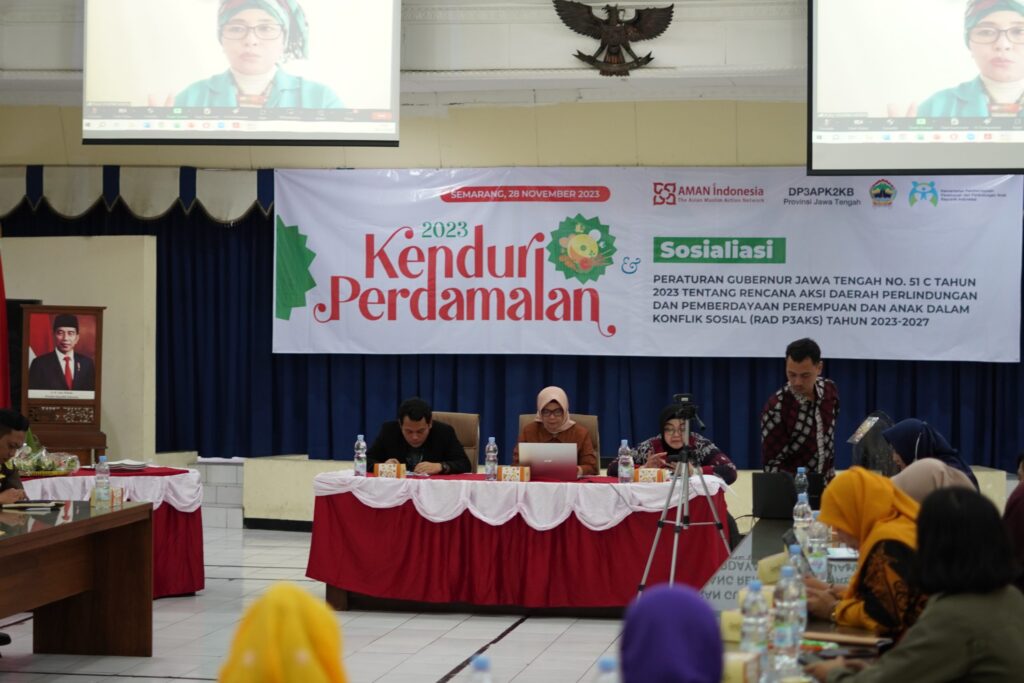
The Kenduri Peace conducted on November 28, 2023, by the Asian Muslim Action Network (AMAN) Indonesia in collaboration with the Central Java Provincial Office of Women and Children Empowerment served as a commemoration for the enactment of Central Java Governor Regulation No. 51 C of 2023. This regulation, established in September 2023, delineates the Regional Action Plan for the Protection and Empowerment of Women and Children in Social Conflict (RAD P3AKS) for the period 2023-2027. The initiative was organized to express gratitude for the regulation, which seeks to enhance the efficacy of safeguarding and empowering women and children amid social conflicts.

For further detail about this event : https://amanindonesia.org/2023/11/30/aman-indonesia-dan-dp2a-jawa-tengah-gelar-kenduri-perdamaian/

Source of image : https://images.app.goo.gl/XzzbgtHr2A2viSEA7 – AMAN Indonesia

Discover the Kenduri Peace: Unlock a World of Serenity & Tranquility in Central Java Read More »

Transformative Political Islamic Feminism in Indonesia: Political Edict of Women Scholars of the Indonesian Congress of Women Islamic Scholars Network

Unveiling the Political Edicts as Feminist Weapons: The rising of women ulama in Indonesia. Echoing the vibrant of Islamic feminism through transformative political assertion.

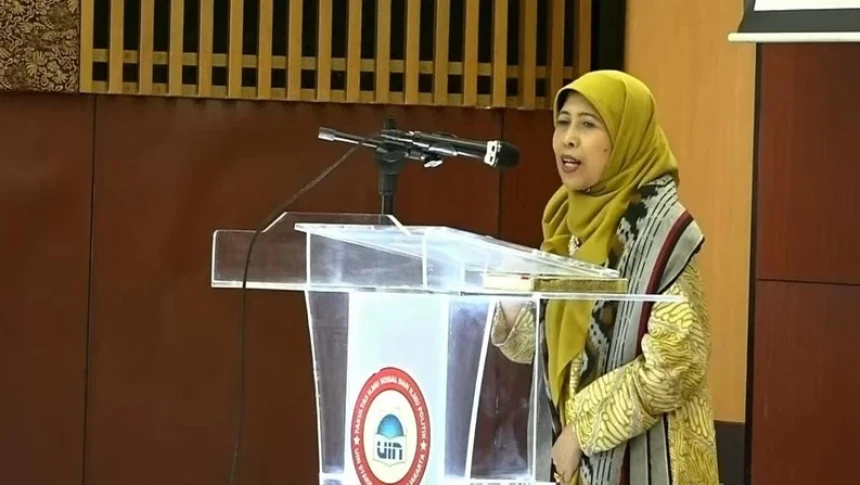
On 20 November 2023, the Indonesian Congress of Women Islamic Scholars (Kongres Ulama Perempuan Indonesia – KUPI) network collaborated with the Centre Studies of Gender and Children (Pusat Studi Gender dan Anak – PSGA) Universitas Islam Negeri Hidayatullah Jakarta conducted a discussion forum and declare the Political Edicts of Women Scholar – Maklumat Politik Jaringan Ulama Indonesia.  This event was held hybrid scheme with the theme “Clean and Dignified Election for a Just Civilization” and attended by more than 250 participants. This initiative revealed the strategic women’s role in responding to the political year in Indonesia.

In her speech, Ny. Hj. Badriyah, the leader of the KUPI Consultative Assembly, encourages the KUPI members and all the civil society elements to ensure the election in 2024 is implemented within the norms and in an appropriate manner (makruf). This principle must be followed for obtaining democracy and blessing elections for all nations not only for specific political actors. Afterward, all KUPI members read the five points of the decree in response to the Indonesian political situation. The first maklumat emphasized the nation’s noble ideals and enforced to upholding of human rights and the principle of state sovereignty. Second, the makruf norms and processes should be implemented in the election. All agendas to weaken democracy cannot be justified. Third, encourage women’s participation and representation in all aspects of organizing elections, in order to have dignity and integrity, so as to realize a civilization of justice. Fourth, continue to strengthen, maintain, and nurture the working power and movement of civil society to ensure that a true democratic process takes place. Fifth, Indonesian Muslim women scholars are determined to make a leadership contribution to participate in guarding the true democratic process.

From those edicts, the KUPI not only declared its position in the Indonesian political constellation, but also to some extent it will escalate the transformation of Islamic feminism in Indonesia. According to Haideh Moghissi, Islamic feminism is used to differentiate certain feminist agendas of women’s Muslim activities to reform women’s interest in social life and legal prescriptions that regulate the Muslim communities. The reality of reforming the rigid religious and social-culture practice is to find the strategies to attain equality and justice. Moreover, Nor Ismah argues women Muslims in Indonesia play a significant role as Islamic scholars (ulama) either in the public sphere or at the grassroots level. Even though their contributions were usually neglected by men, women had a religious authority as men to declare fatwas. Their authority is based on the local community’s sensitivity and knowledge. However, the KUPI forum escalated the national network of women ulama in Indonesia. It seems to bring a new atmosphere for the women Muslim feminists in Indonesia to advance gender leadership equality.

Through this KUPI edicts for the election in 2024 will be a milestone in the political transformation of Islamic feminism in Indonesia. To some extent, this movement can be achieved because of the power of the women’s ulama network in Indonesia through the platform KUPI. In other words, transforming Islamic feminism requires the bottom-up structural network of women’s agency. They were positioning their self as men who could play a crucial social-culture aspect of life to create a fatwa. In the previous conference KUPI event, they proposed the fatwa regarding the marginalization of women protecting the Republic of Indonesia from the dangers of violence in the name of religion, and the issue of protecting women from the danger of forced marriage.

Ahead of the Indonesian election year, is a promising moment for the KUPI to transform and strengthen its position to play a crucial role in political constellations. It is proven that the edicts not only emphasized the goal and the principle of democracy but also encouraged more women representatives in politics and the significant role of Muslim women’s leadership in maintaining the democratic process. It means not merely the concepts of the Islamic feminist movement but also the noble ideals for Muslim women to involve themself in reforming the religious rigid about the participation of women in the political constellation.

There is a possibility that this Political Edicts of Women Scholar can increase the chance of filling in the gender quota in Indonesia. As the experience, from the previous election only around 13,3% in 2014, and 20,5% in 2019. However, it will be impossible to obtain if there is no political education for Muslim women. Since the political constellation in Indonesia regulates that the candidate should be part of the party, Muslim women who want to represent their religion should join the party. To facilitate or encourage their representative candidate in 2024, the KUPI must consider this scheme or announce a fatwa that it is not terrible to join the political party. If the next election attains the gender quota, it will be hard to deny that the Muslim women’s edicts contribute to it.

Moreover, reflecting the cruel latest election that resulted in massive social cleavage because of the polarization in politics. The member of KUPI must propose a strategy to maintain election peace as in their edicts. They should create a technical guidelines strategy to educate and warn Muslim women to maintain the political issue during the election period.

In conclusion, the Political Edicts of Women Scholar will bring a new atmosphere to the political dynamic in Indonesia. How those edicts will work depends on the follow-up action of the members to realize in the next year. However, this step demonstrated the notion of the political transformation of Islamic feminism in Indonesia.

Source of image: https://images.app.goo.gl/qKdWrB2FHJgVvH6HA

Transformative Political Islamic Feminism in Indonesia: Political Edict of Women Scholars of the Indonesian Congress of Women Islamic Scholars Network Read More »

ASEAN Regional Plan of Action on WPS

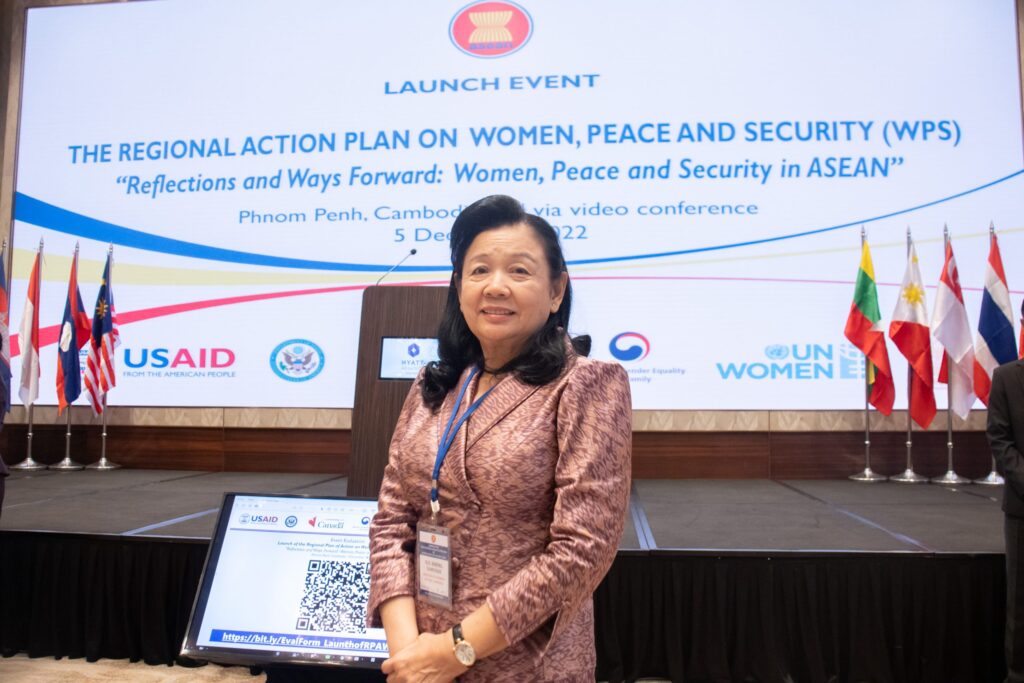
On 5 December 2022, ASEAN released the Regional Plan of Action on WPS. This milestone indicated that ASEAN is committed to strengthening the WPS as a crucial part of achieving sustainable peace and prosperity in the region. It is also evidence of how ASEAN concerned about women’s empowerment issues since 2004 when this organization created the Declaration on the Elimination of Violence Against Women in the ASEAN region. The escalation of WPS was also signaled when the ASEAN leader adopted the Joint Statement on Promoting Women, Peace, and Security in ASEAN at the 31st ASEAN Summit in November 2012. Subsequently, at the ministerial dialogue in September 2020, ensured the integration of WPS into regional policies and frameworks across the three ASEAN community pillars.

There are six main components to the RPA WPS. An overview of pertinent contextual aspects is provided in the first section. The RPA WPS is intended to respond to both established and new security concerns, including climate change, disasters, pandemics, and violent extremism. It acknowledges the overlapping and intersecting threats and challenges associated to peace and security. The fundamental international and ASEAN regional frameworks are covered in Section 2. The RPA WPS seeks to close gaps and increase the effect of ongoing work related to WPS by building on regional and global frameworks that are already in place. By providing an overview of the advancements, difficulties, and prospects associated with WPS in the ASEAN area, Section 3 fills up some of these gaps.

 Section 4 of the RPA WPS provides an explanation of its goals and reasoning, and Section 5 provides a thorough procedure for creating the regional plan. A results-based implementation strategy with prioritized actions, expected outputs, and desired outcomes is presented in the following sections. Clear guidelines for WPS implementation throughout the area that allow for flexibility in order to fit with national and sub-national peace and security priorities are one of the main objectives. The initiative aims to display and encourage the wider implementation of ASEAN’s history of creative local approaches to peace and security, especially those spearheaded by women. By showcasing effective practices across ASEAN, the RPA WPS aims to build new connections between local projects and regional WPS strategies.  In the end, the strategy hopes to make a meaningful difference for a variety of groups within the ASEAN area, including women, men, youth, children, and marginalized people.

Source: https://wps.asean.org/resources/asean-rpa-wps/

Source of image: https://images.app.goo.gl/ZAVBt7f5KE5N9UFM7

Link to the RPA on WPS ASEAN : https://wps.asean.org/wp-content/uploads/2022/12/FINAL_ASEAN-Regional-Plan-of-Action-on-Women-Peace-and-Security_reduced.pdf

ASEAN Regional Plan of Action on WPS Read More »

Scroll to Top